Diagnostic imaging is a cornerstone of modern healthcare, helping doctors accurately identify, monitor, and treat a wide range of medical conditions. From minor injuries to complex diseases, imaging technologies provide detailed insights into the body without the need for invasive procedures. Understanding the different types of imaging—X-ray, CT scan, MRI, and ultrasound—can help patients feel more informed and confident during their medical journey.
What Is Diagnostic Imaging?
Diagnostic imaging refers to a variety of techniques used to create visual representations of the inside of the body. These images help doctors detect abnormalities, confirm diagnoses, and plan treatments effectively. Each imaging method serves a specific purpose, depending on the condition being evaluated.
X-Ray: Quick and Effective
X-rays are one of the most commonly used imaging tools. They are fast, painless, and particularly useful for detecting bone fractures, infections, and chest conditions. X-rays use a small amount of radiation to produce images, making them ideal for quick assessments in emergencies.
CT Scan: Detailed Cross-Sectional Images
A CT (Computed Tomography) scan provides more detailed images than a standard X-ray. It combines multiple X-ray images taken from different angles to create cross-sectional views of the body. CT scans are often used to detect internal injuries, tumors, and complex bone fractures. They are especially valuable in emergency situations where rapid and accurate diagnosis is required.
MRI: Advanced Soft Tissue Imaging
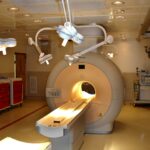
MRI (Magnetic Resonance Imaging) uses strong magnetic fields and radio waves to produce highly detailed images, especially of soft tissues. It is commonly used to examine the brain, spine, joints, and internal organs. Unlike X-rays and CT scans, MRI does not use radiation, making it a safer option for certain patients.
Ultrasound: Safe and Real-Time Imaging
Ultrasound uses sound waves to create real-time images of the body. It is widely used during pregnancy, as well as for examining organs such as the liver, kidneys, and heart. Ultrasound is completely safe, painless, and does not involve radiation, making it suitable for repeated use.
What to Expect During Imaging Tests
Most imaging procedures are simple and non-invasive. Depending on the test, you may be asked to lie still, hold your breath, or follow specific instructions for better image clarity. The procedures are generally quick, and trained technicians ensure your comfort throughout the process.
Conclusion
Diagnostic imaging plays a vital role in accurate and timely medical care. By understanding the differences between X-ray, CT scan, MRI, and ultrasound, patients can approach these procedures with confidence. With advanced technology and expert guidance, diagnostic imaging continues to improve healthcare outcomes and support better decision-making for both doctors and patients.